Form vs. Function: How Professional Organizers Balance Aesthetics and Systems
Organizing has a massive divide right now, and it usually comes down to a battle between two philosophies: Aesthetics vs. Systems.
On one side, you have the Pinterest-perfect pantries with matching glass jars and hand-written labels. On the other, you have macro-bins and clear zones designed purely for speed and efficiency.
If you've ever spent a weekend making a space look beautiful, only for it to descend into total chaos four days later, you’ve felt this tension firsthand. Here is a breakdown of why this happens, how these two approaches match up, and how to find the sweet spot that actually stays organized.
Aesthetic Organizing: The Visual Appeal
Aesthetic organizing focuses heavily on visual harmony, uniformity, and minimalism. It treats organization as a form of interior design.
The Tools: Matching decanted containers, uniform hangers, color-coded books, hidden storage.
The Pros: It lowers visual anxiety. Walking into a visually serene room triggers a hit of dopamine and makes you feel in control of your environment.
The Pitfall: High maintenance. Aesthetic organizing introduces friction. If you have to grab a funnel to decant a new bag of flour into a specific jar every time you shop, the system breaks the moment you get busy.
Systemic Organizing: The Workflow Appeal
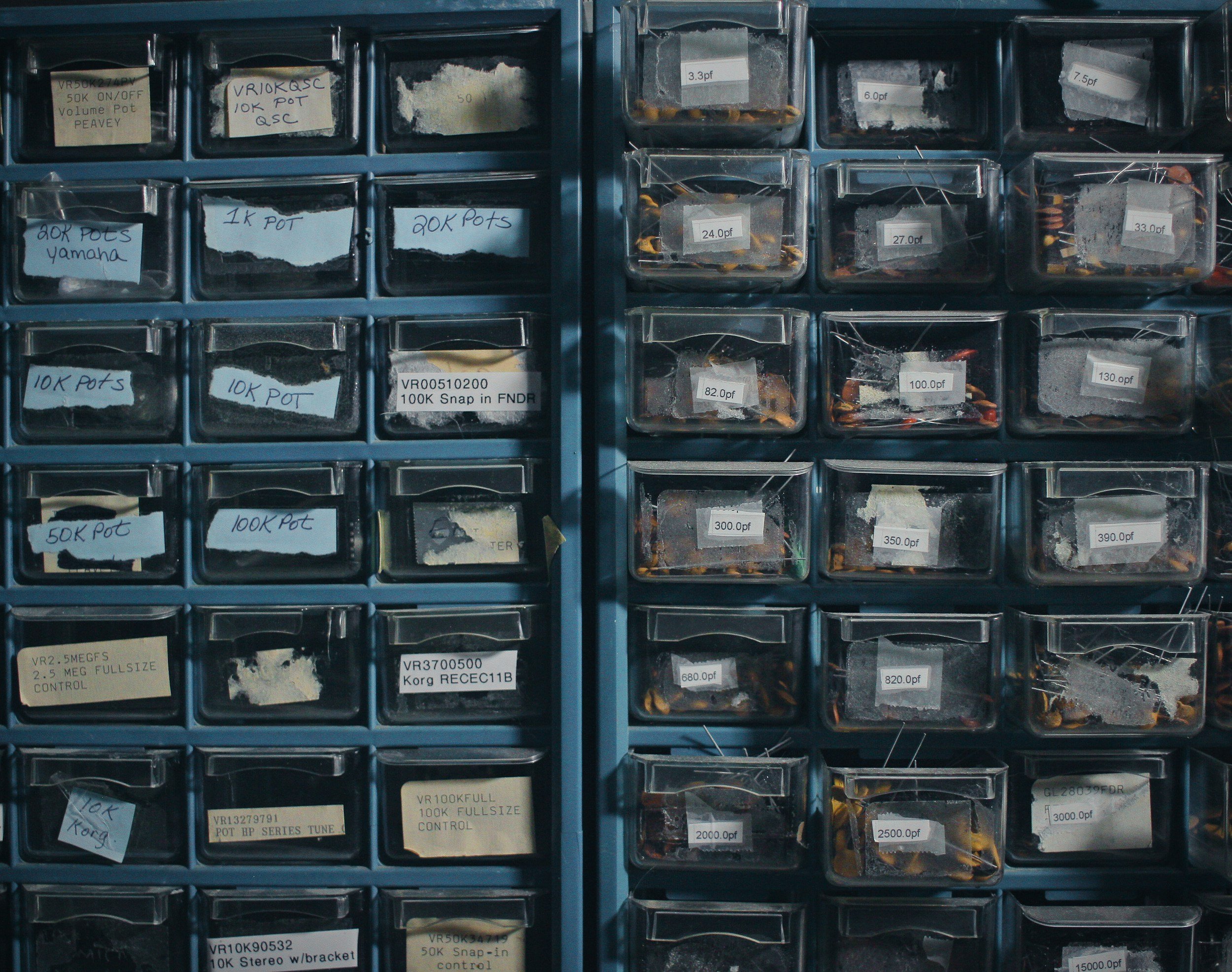
Systemic organizing focuses entirely on function, habits, and reducing friction. It treats a home or workspace like a logistics warehouse.
The Tools: Broad categories ("macro-bins"), open baskets, logical placement based on frequency of use, zero unnecessary barriers.
The Pros: Incredibly easy to maintain. It relies on your natural habits rather than forcing you to adopt new ones.
The Pitfall: It can look messy or clinical. If everything is organized into unmatched plastic bins, it might function flawlessly, but it won't necessarily give you that peaceful, curated feeling.
The Core Differences at a Glance

How to Build a "Hybrid" System That Works
You don't actually have to choose between a functional home and a beautiful one. The secret to long-term organization is putting the system first, and layering the aesthetic on top.
Here is how to build a hybrid setup:
1. Match the approach to the "Zone"
High-Traffic Zones (The Mudroom, Kids' Playrooms, Under the Sink): Go 100% systemic. Use open, opaque baskets where items can simply be tossed in.
Low-Traffic/Display Zones (The Bookshelf, Spice Rack, Linen Closet): Lean into the aesthetic. Because you aren't resetting these spaces multiple times a day, the maintenance tax is low enough to justify the visual payoff.
2. Choose hidden aesthetic containers
If you love a clean look but hate micro-sorting, use opaque, uniform baskets on open shelving. The outside looks perfectly uniform and beautiful (aesthetic), but inside, you can just toss items into broad categories without sorting them (systemic). It's a visual shield for a functional mess.
3. Test for "Friction Points"
Before you buy a single container, track your failures. If mail always piles up on the kitchen counter, an aesthetic filing cabinet in the home office won't fix it. You need a systemic mail basket right next to the counter where the pile naturally forms.
Form must follow function, otherwise, you aren't organizing; you're just staging.
Struggling to find the balance between a beautiful home and a functional one? We specialize in building custom organizing systems that match your aesthetic and your lifestyle. Click here to book a consultation with our team!
Happy Organizing
-Jocelyn